


Cybersecurity for nonprofit organizations is about protecting donor trust, sensitive beneficiary data, and mission-critical operations from increasingly targeted attacks. Most nonprofits can dramatically reduce risk with a few fundamentals: strong identity controls, secure email, reliable backups, basic vendor oversight, and a practiced incident response plan. This guide explains the threats...
What Is Network Segmentation and Why Does It Matter?
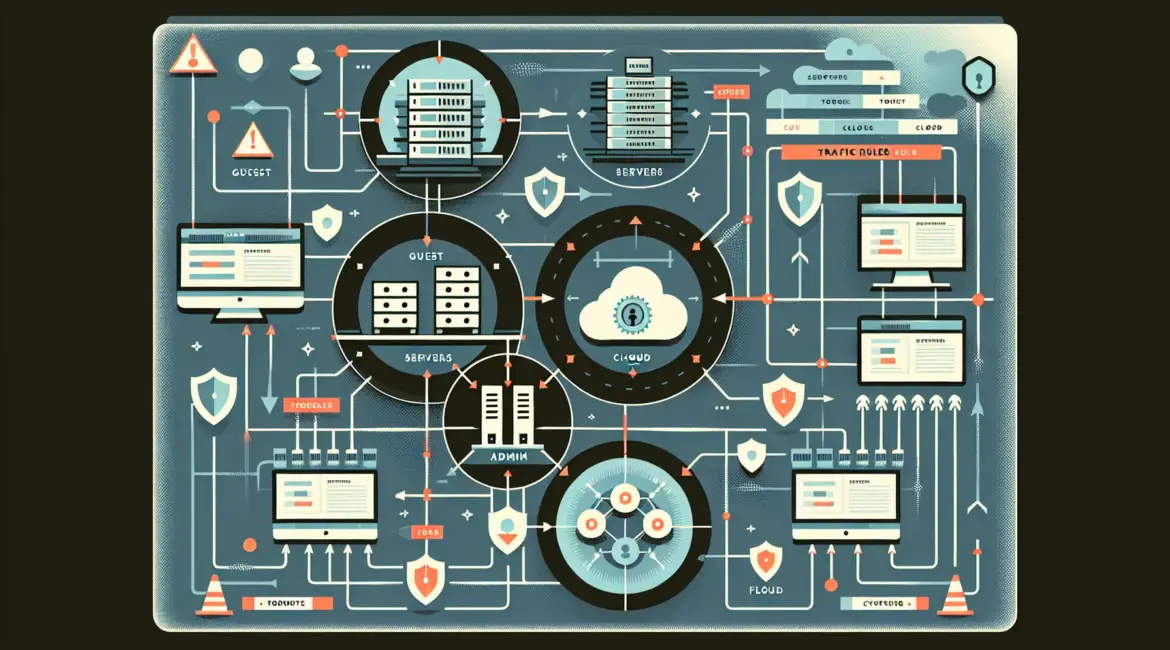
Network segmentation is the practice of dividing a computer network into smaller, controlled zones so systems and users only access what they truly need. It matters because it limits how far cyberattacks can spread, reduces operational risk, and helps organizations meet compliance requirements. In practical terms, network segmentation turns a...
How to Reduce Phishing Risk in Your Organization: A Practical, Repeatable Playbook

To reduce phishing risk in your organization, combine clear processes, continuous employee coaching, and layered technical controls that stop malicious messages before they reach inboxes. The most effective programs treat phishing as a business risk, not just an IT problem, and they measure improvement over time with realistic simulations and...