



How to Reduce Security Risk When Employees Travel for Business
To reduce security risk when employees travel for business, standardize devices, require strong sign-ins, protect data in transit, and give employees a simple travel security plan before they leave.
What Is Data Residency and Why Should Business Leaders Care?
Data residency refers to the physical country or region where your business data is stored. For business leaders, it affects compliance, vendor selection, risk, recovery planning, and how confidently you can operate across locations and industries.
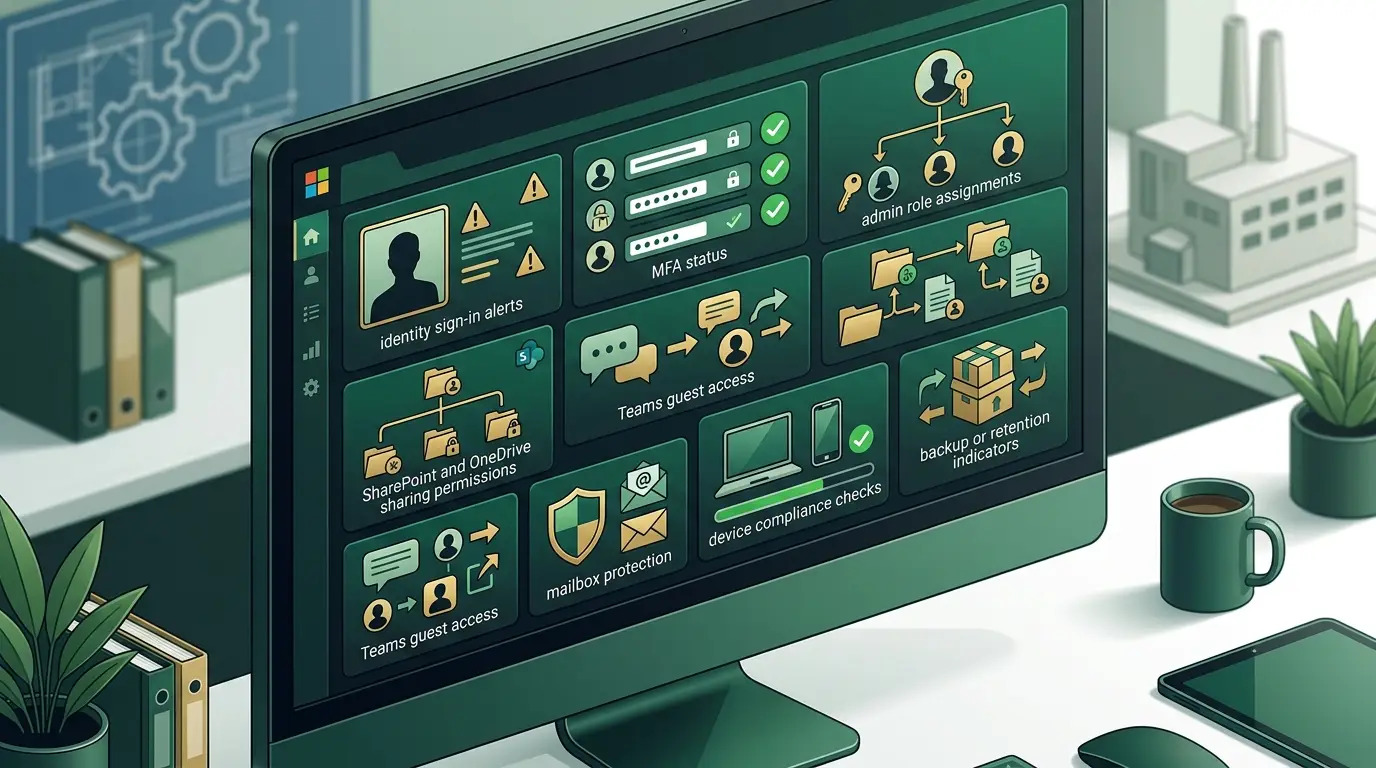
What Is Microsoft 365 Tenant Security and What Should You Review?
Microsoft 365 tenant security is the set of controls, settings, and policies that protect your company’s Microsoft 365 environment. A practical review should cover identity, access, email, file sharing, device management, logging, and recovery so small issues do not turn…
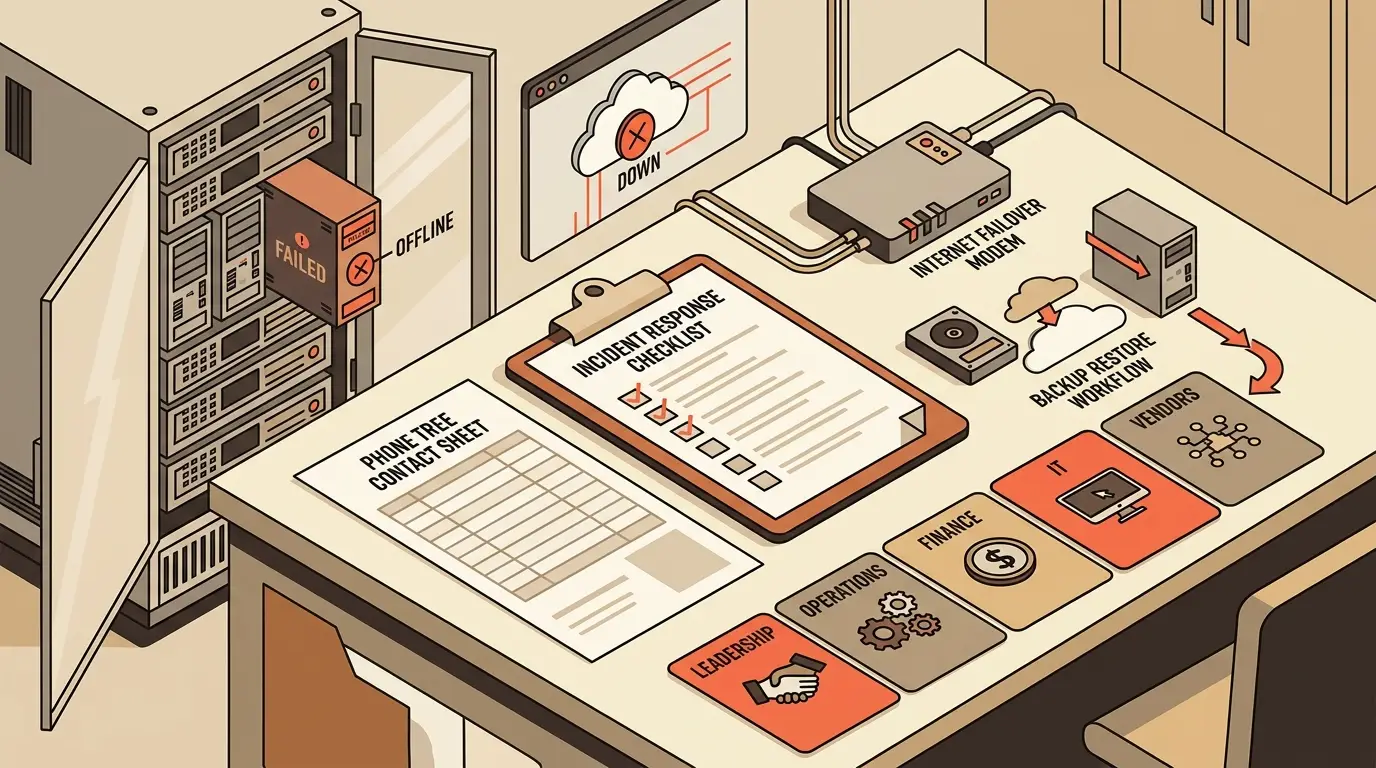
What Is an Emergency IT Response Plan and Who Should Be Involved?
An emergency IT response plan is a documented playbook for how your organization detects, escalates, communicates, and recovers when technology disruptions threaten operations. The right plan includes leadership, operations, IT, vendors, and department owners so decisions happen quickly when time…
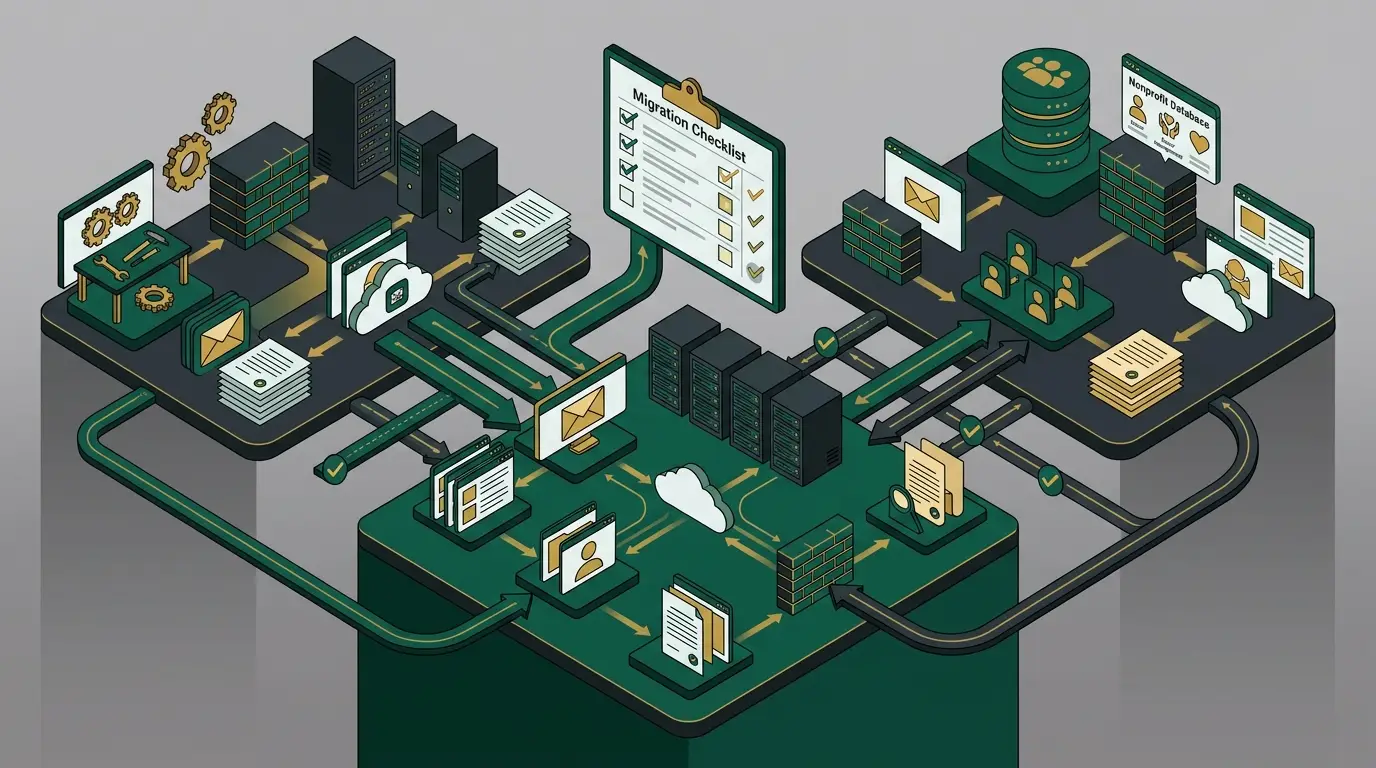
How to Plan IT for a Merger or Acquisition
To plan IT for a merger or acquisition, start early, inventory both environments, identify business-critical systems, evaluate security and compliance gaps, and create a phased integration plan that reduces downtime and surprise costs.

What Is a Backup Retention Policy and How Long Should You Keep Data?
A backup retention policy defines how long your business keeps backup copies of data before they are deleted or archived. The right retention period depends on recovery needs, compliance rules, storage cost, and how your team actually uses information.
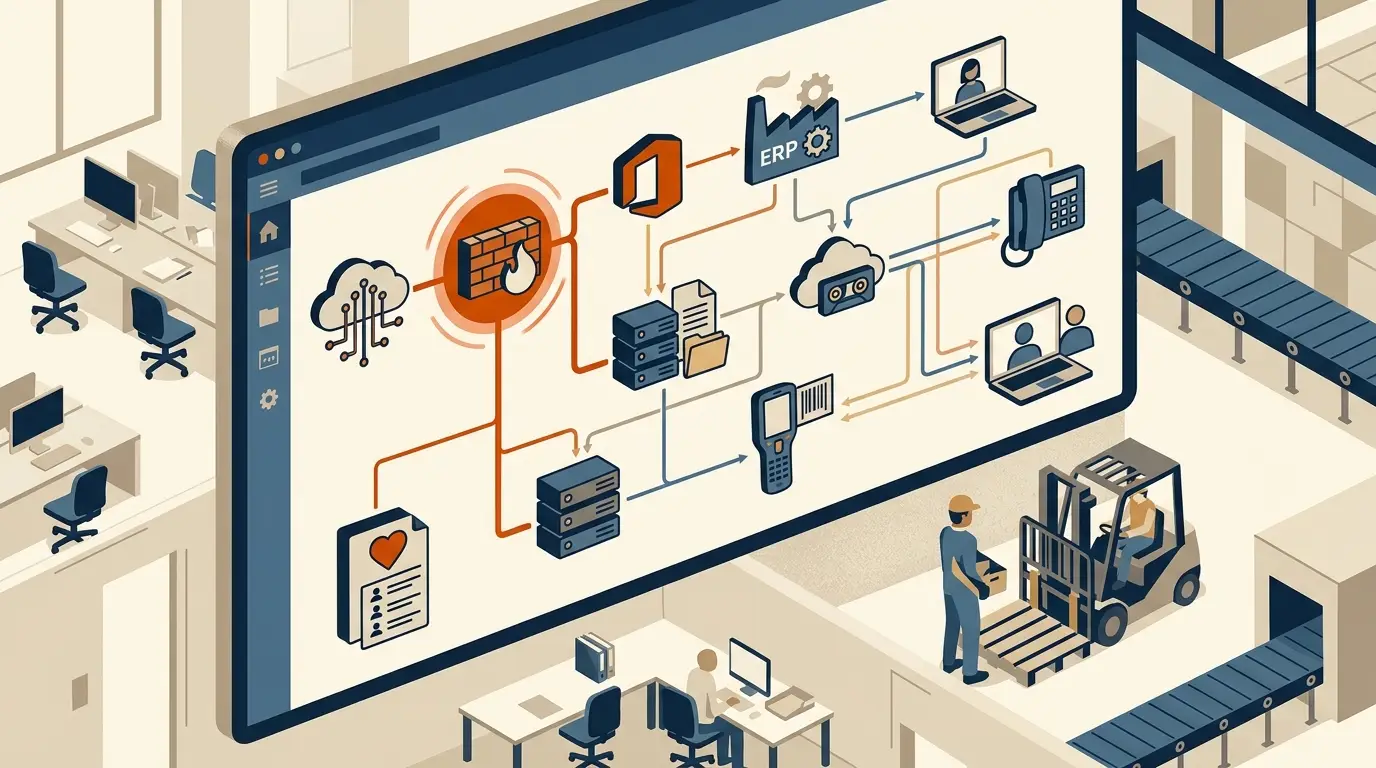
What Is a Technology Dependency Map and Why Is It Useful?
A technology dependency map shows how your systems, applications, vendors, devices, and processes rely on one another so you can reduce downtime, plan smarter, and make better business decisions.
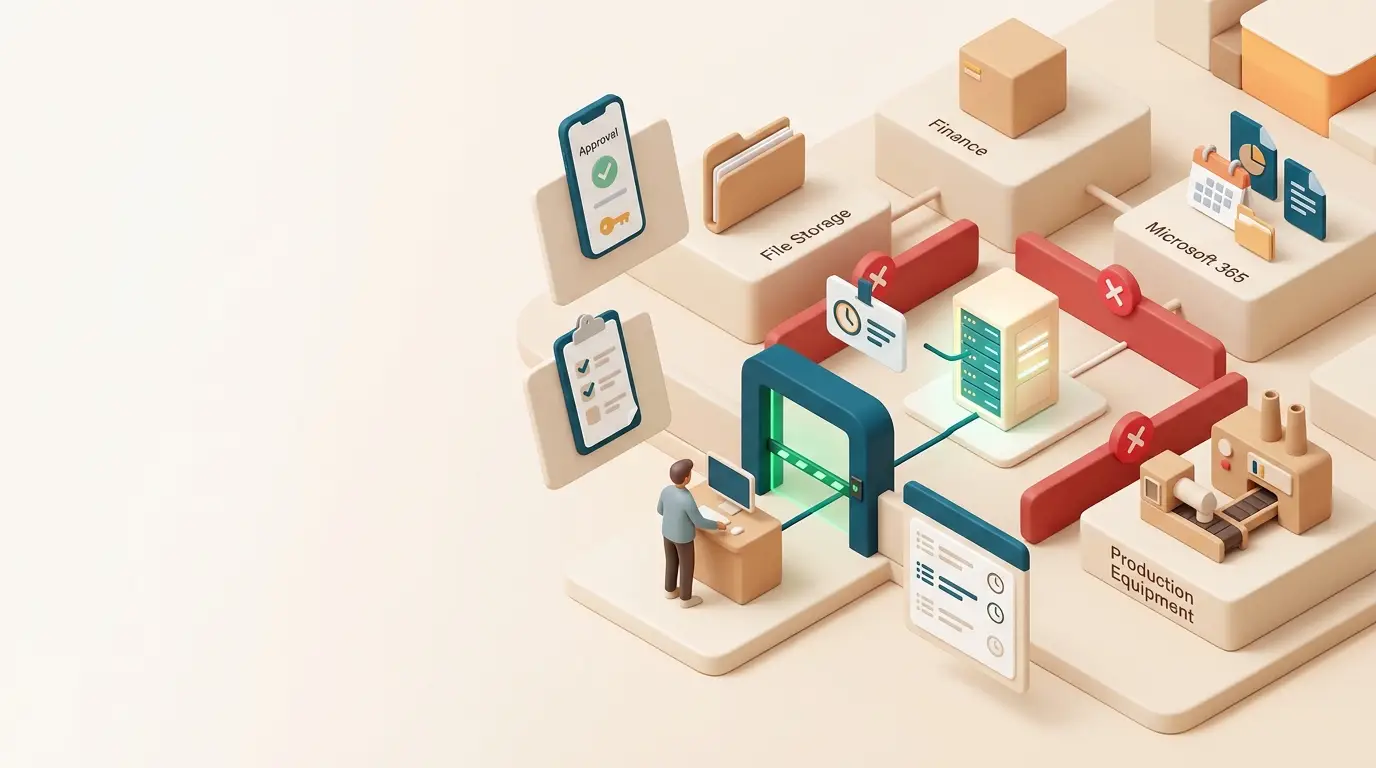
How to Secure Business Systems from Third Party Support Vendors
To secure business systems from third party support vendors, control exactly how vendors connect, limit what they can access, monitor their activity, and review those permissions regularly. The goal is to get the support you need without giving outside parties…
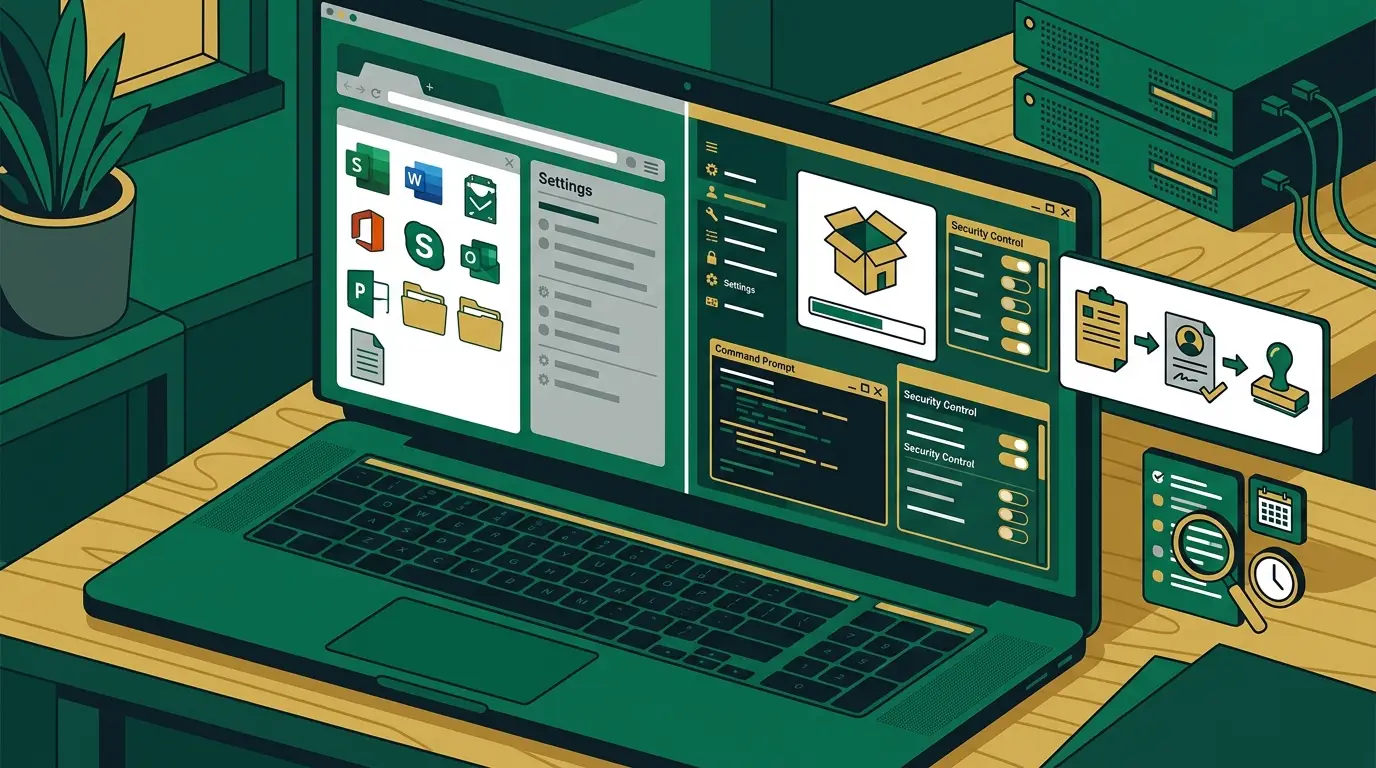
How Should Businesses Manage Local Administrator Rights?
Businesses should limit local administrator rights by default, grant elevated access only when needed, and manage exceptions with clear policies, monitoring, and regular review.
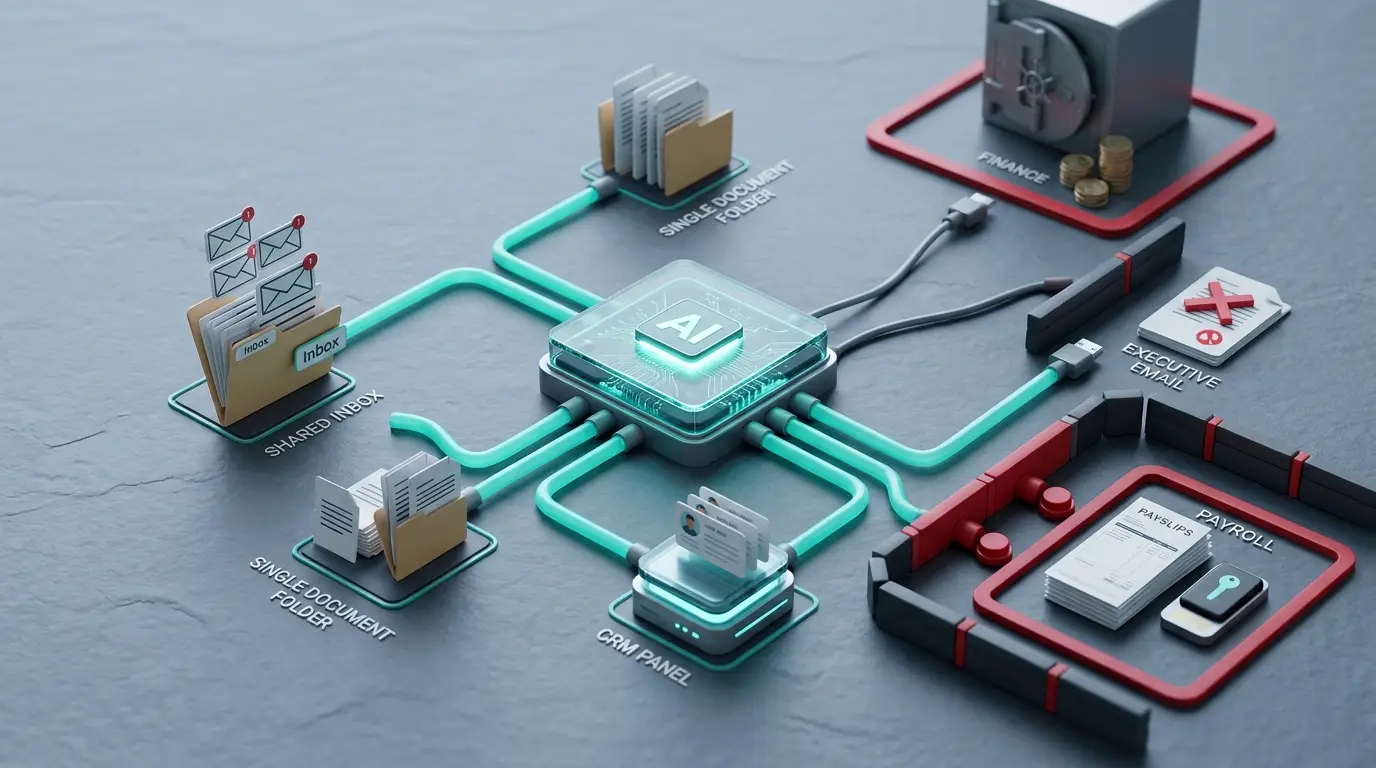
How Can Businesses Use AI Agents Without Giving Them Too Much Access?
Businesses can use AI agents safely by limiting permissions, separating tasks, approving high-risk actions, and monitoring activity. The goal is to get productivity benefits without handing an automated tool broad access to email, files, finance systems, or customer data.
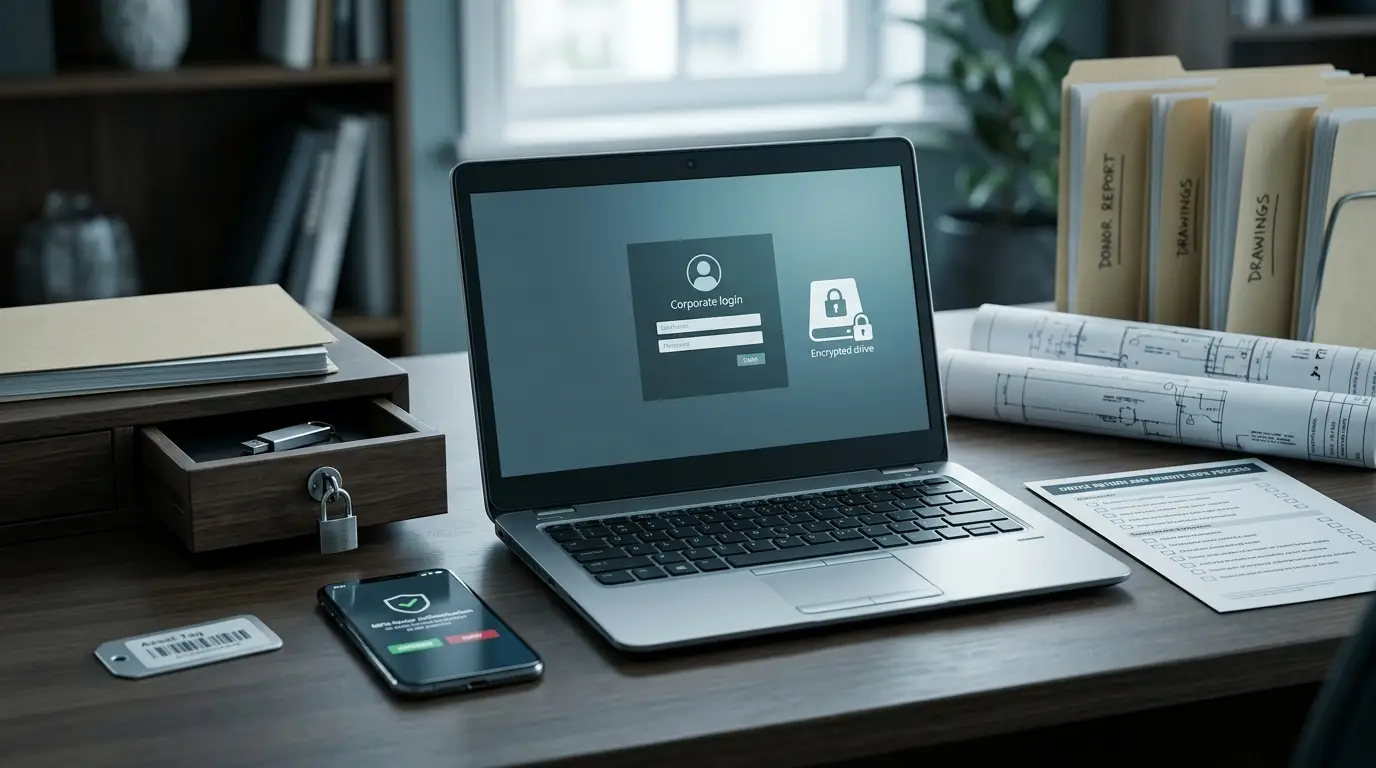
How Should Businesses Protect Sensitive Data on Employee Laptops?
Businesses should protect sensitive data on employee laptops with encryption, strong access controls, device management, secure backups, and clear policies. The goal is to reduce risk without making daily work harder.

What Is Cloud Identity and Why Is It Replacing Traditional Network Logins?
Cloud identity is the modern way to manage user logins across business systems, replacing office-bound network accounts with centralized access that works securely from anywhere.
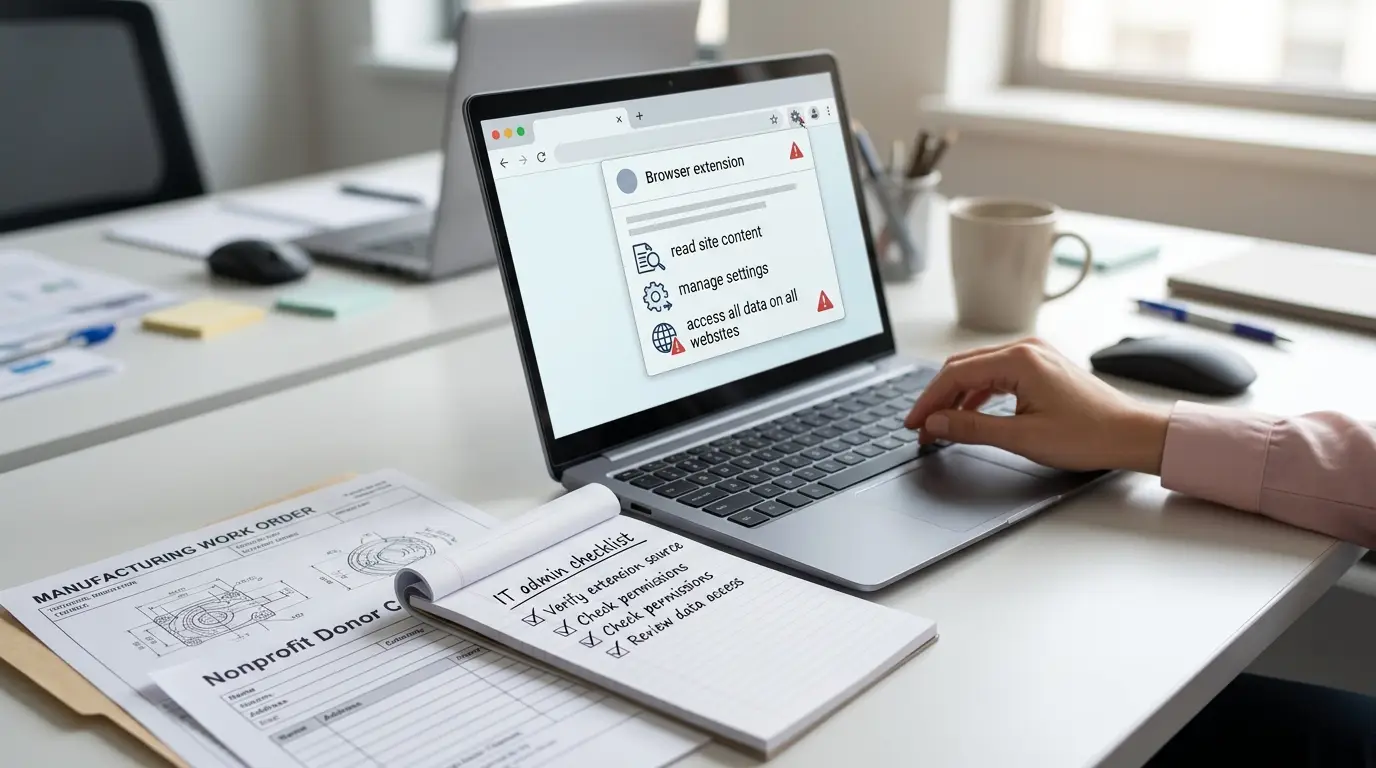
How to Protect Your Business from Malicious Browser Extensions
Malicious browser extensions can steal data, weaken security, and create costly downtime. Learn how businesses can reduce the risk with practical controls and better browser governance.
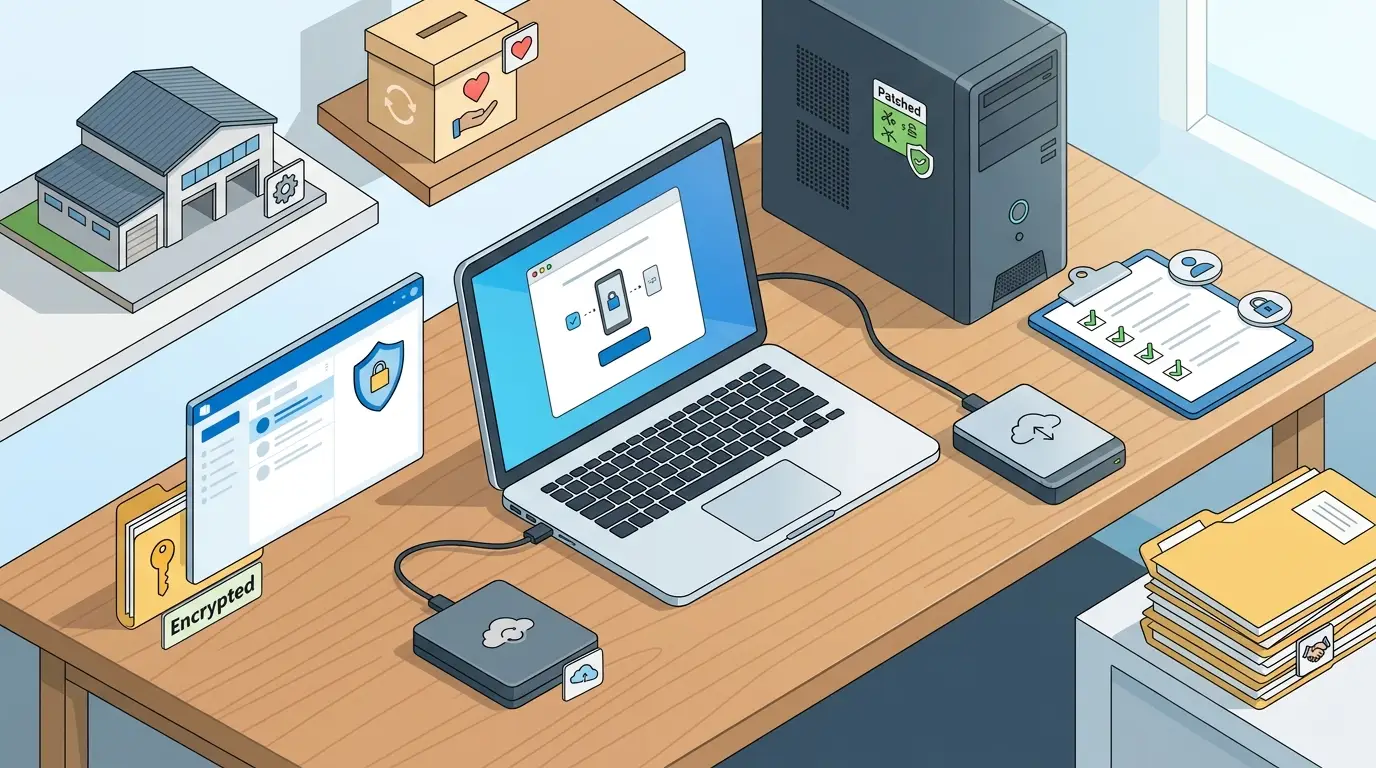
What Is a Cybersecurity Control and Which Controls Matter Most to Small Businesses?
Cybersecurity controls are the policies, tools, and day-to-day practices that reduce the chance of a security incident and limit business disruption when something goes wrong. For small businesses, the most important controls are usually the ones that protect accounts, devices,…
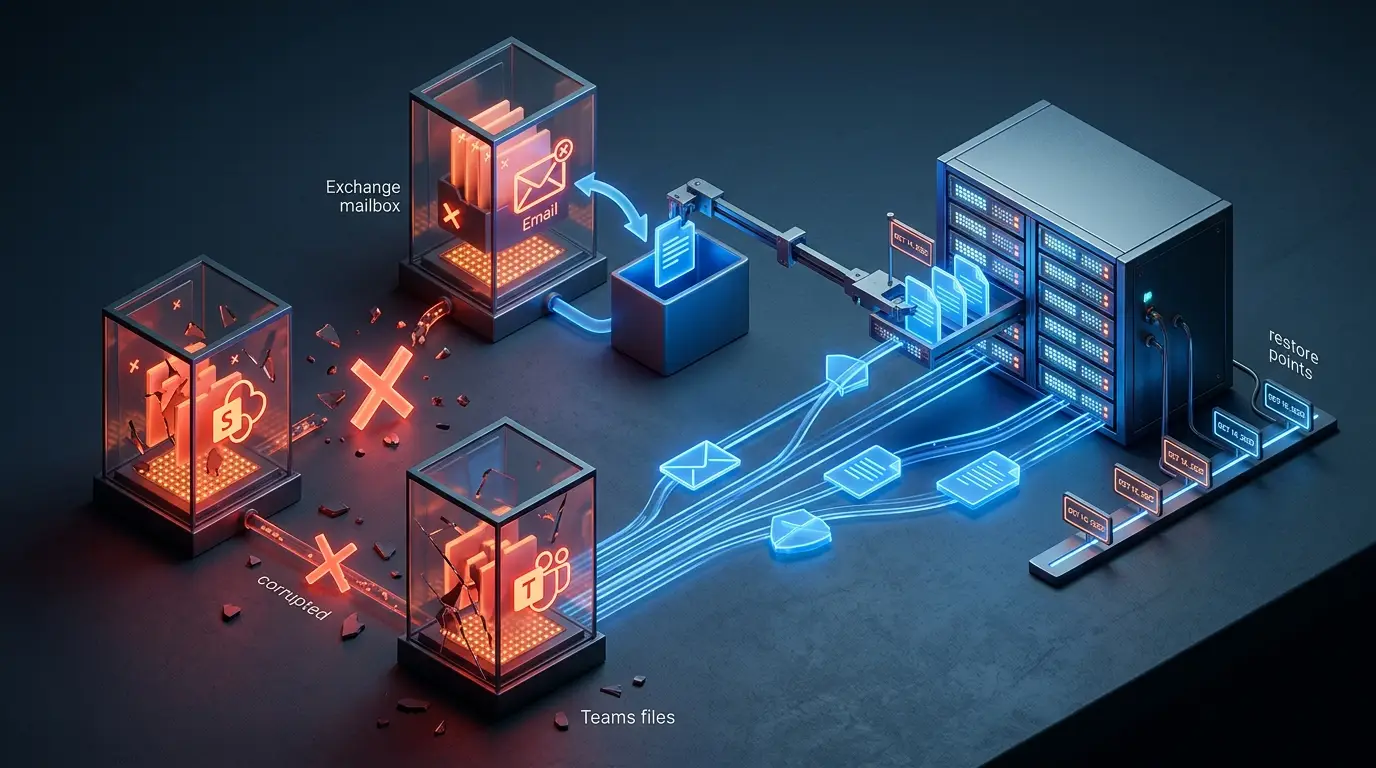
What Is Microsoft 365 Backup and Why Is Native Retention Not Always Enough?
Microsoft 365 includes retention and recycle features, but those tools do not always provide the fast, flexible recovery businesses expect. Here is what Microsoft 365 backup does, where native retention falls short, and how to plan for better resilience.
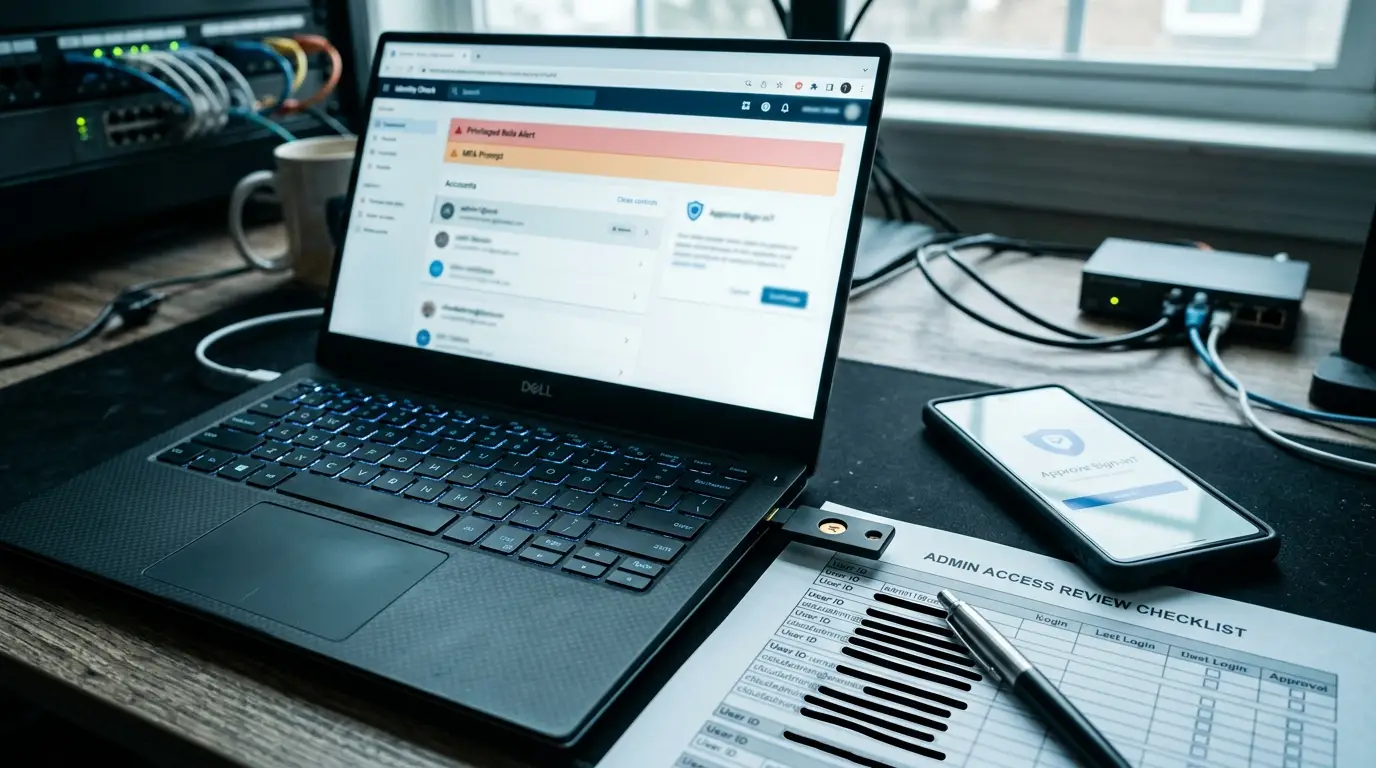
How to Secure Cloud Administrator Accounts from Takeover
To secure cloud administrator accounts from takeover, limit who has admin access, require phishing-resistant sign-in methods, monitor changes closely, and use separate protected accounts for administrative work. A few practical controls can prevent one compromised login from turning into a…

How to Create a Technology Checklist for Employee Offboarding
A technology checklist for employee offboarding helps your business remove access, recover devices, protect data, and avoid unnecessary risk when someone leaves the organization.
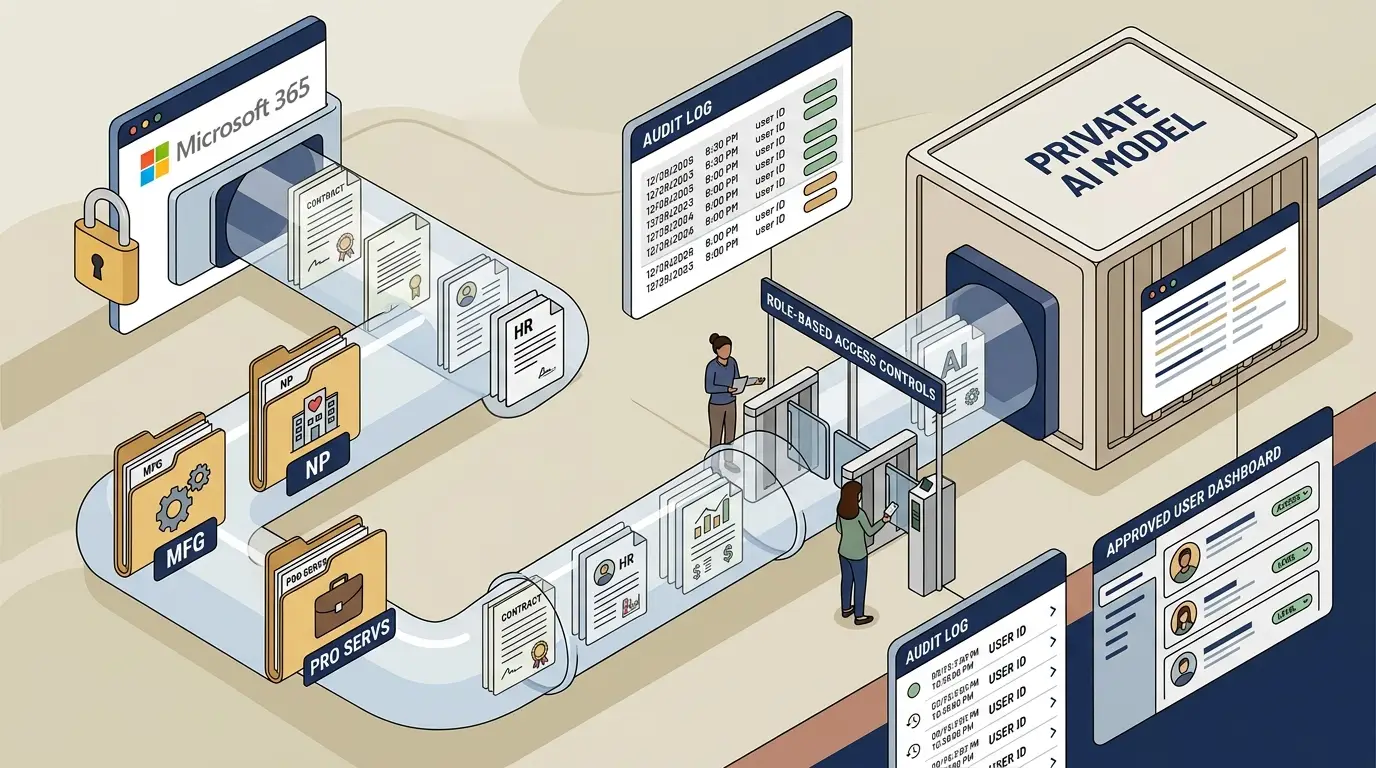
How Can Private AI Models Be Used with Confidential Company Documents?
Private AI models can help businesses search, summarize, and analyze sensitive documents without exposing them to public AI tools, but only if access, storage, and governance are planned carefully.
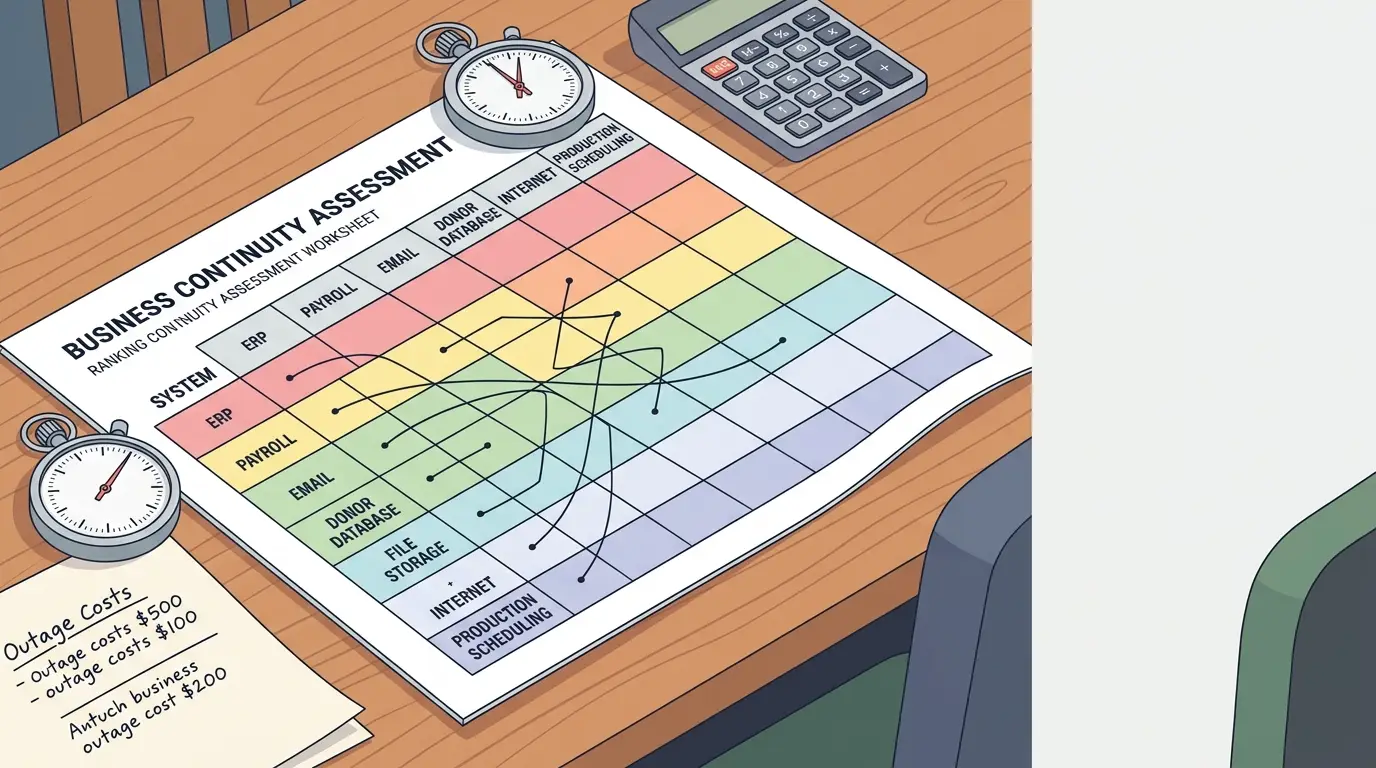
How to Determine Which Business Systems Are Truly Mission Critical
To determine which business systems are truly mission critical, identify the tools and processes that would stop revenue, service delivery, compliance, or core operations if they failed. A practical review helps leaders prioritize protection, recovery, and technology spending where it…
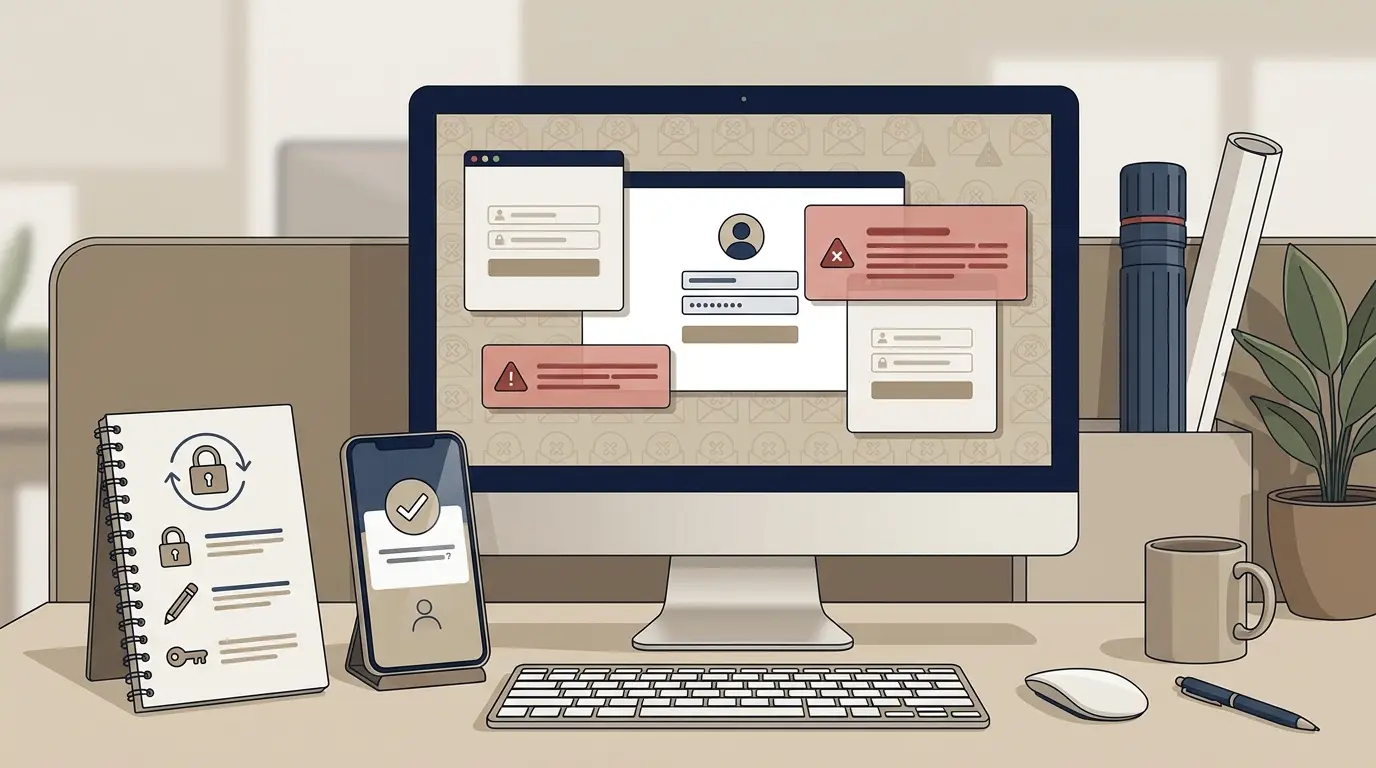
How to Protect Business Systems from Credential Stuffing Attacks
Credential stuffing attacks happen when criminals use stolen usernames and passwords from other breaches to try logging into your business systems. The best defense is a mix of multi-factor authentication, strong password controls, sign-in monitoring, and better access governance.
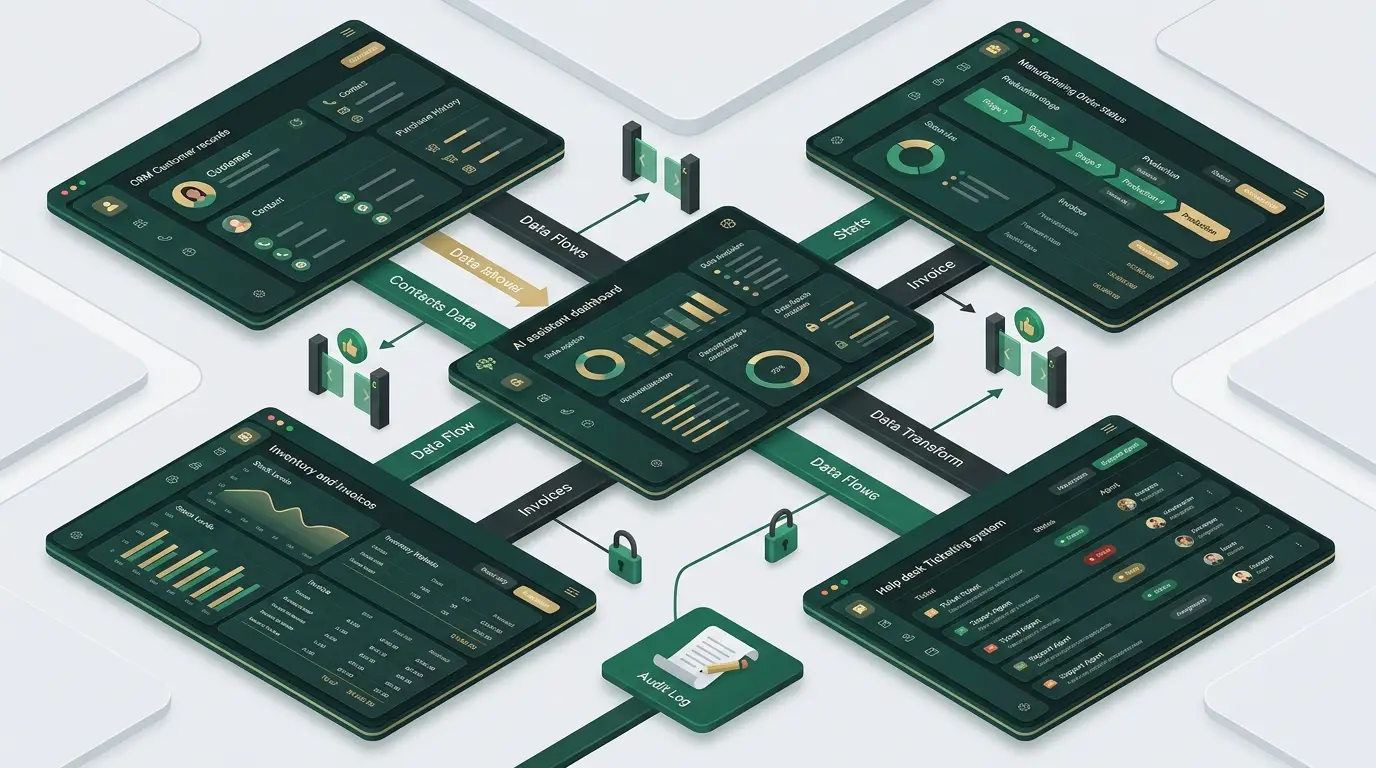
How Can AI Connect to Your CRM ERP and Help Desk Through MCP?
AI can connect to your CRM, ERP, and help desk through MCP by using a controlled standard that lets approved tools share data and actions securely. When planned well, it can save time, reduce duplicate work, and give staff faster…
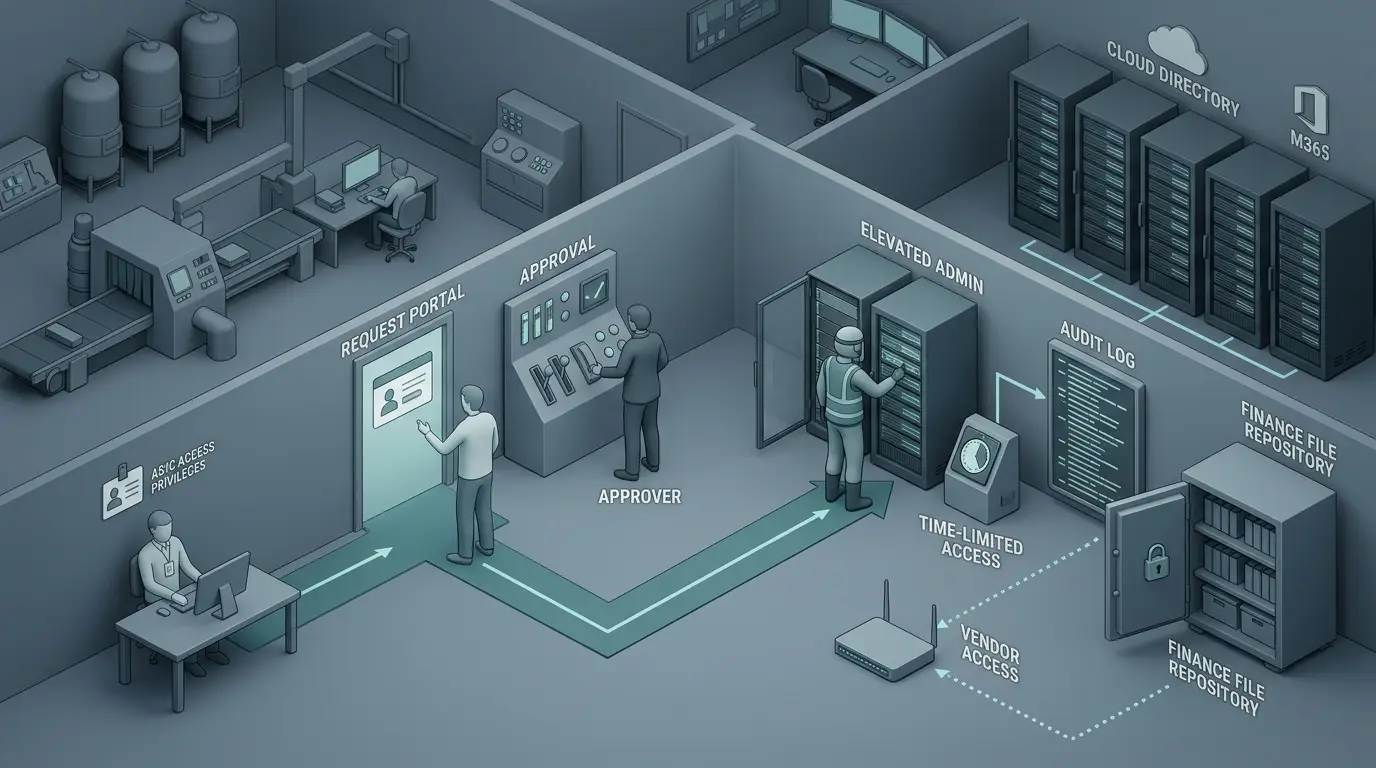
What Is Privileged Identity Management and When Should Businesses Use It?
Privileged identity management helps businesses control and monitor high-level account access so critical systems are protected without slowing down daily work.
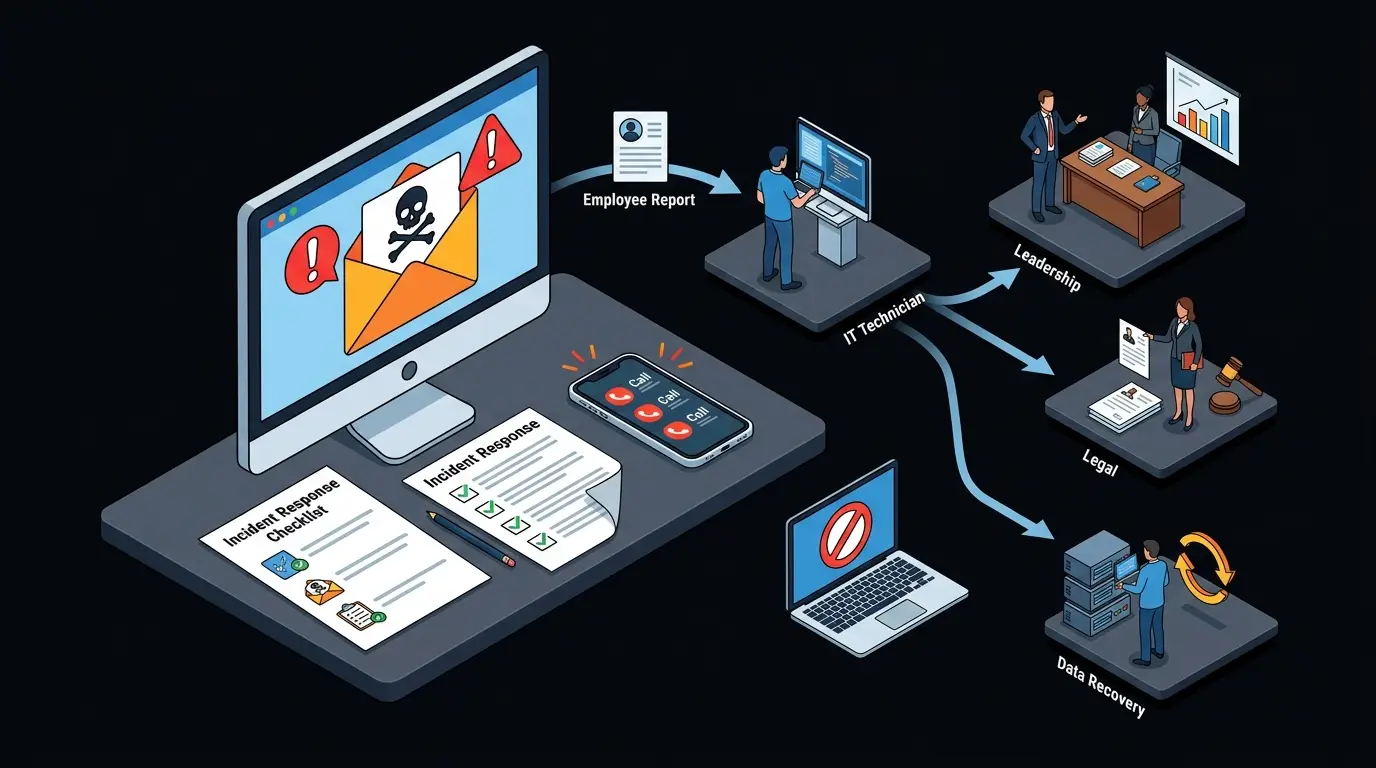
What Is a Security Incident Escalation Process and Why Do You Need One?
A security incident escalation process is the documented path your team follows to identify, prioritize, communicate, and respond to a cybersecurity issue before it grows into a larger business disruption.
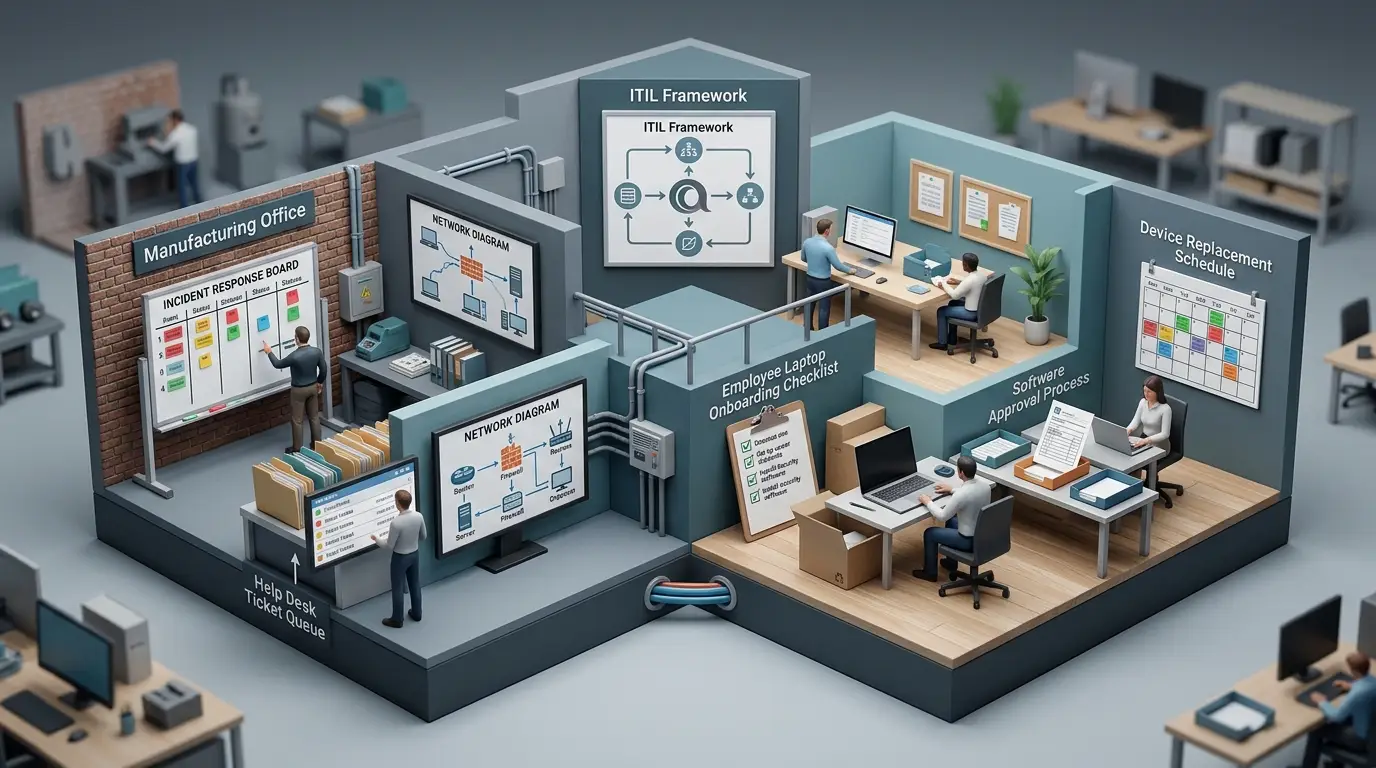
What Is IT Service Management and Does It Matter for Small Businesses?
IT service management is the structured way a business plans, delivers, supports, and improves technology services. For small businesses, it helps reduce downtime, control costs, and make technology easier to manage as the organization grows.