


To protect business data across multiple locations, you need a consistent security model that works the same way in every office, branch, and cloud environment. Start by standardizing identity access, encrypting data in transit and at rest, and ensuring resilient backups that can be restored quickly anywhere. Then add centralized...
What Is Cloud Security Monitoring and Why Is It Important?
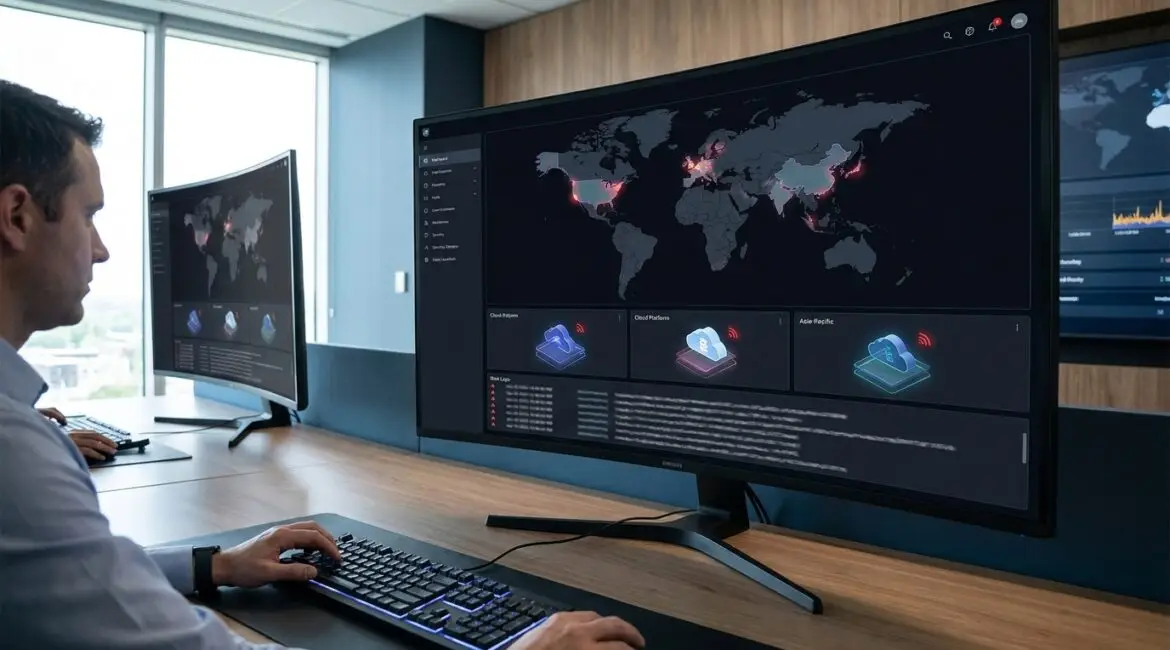
What is cloud security monitoring? Cloud security monitoring is the continuous collection, analysis, and alerting on security-relevant activity across cloud environments to detect threats, misconfigurations, and policy violations. It is important because cloud infrastructure changes quickly and attackers exploit gaps fast, so you need real-time visibility and response across workloads,...
What Is a Managed Firewall and Why Does It Matter?
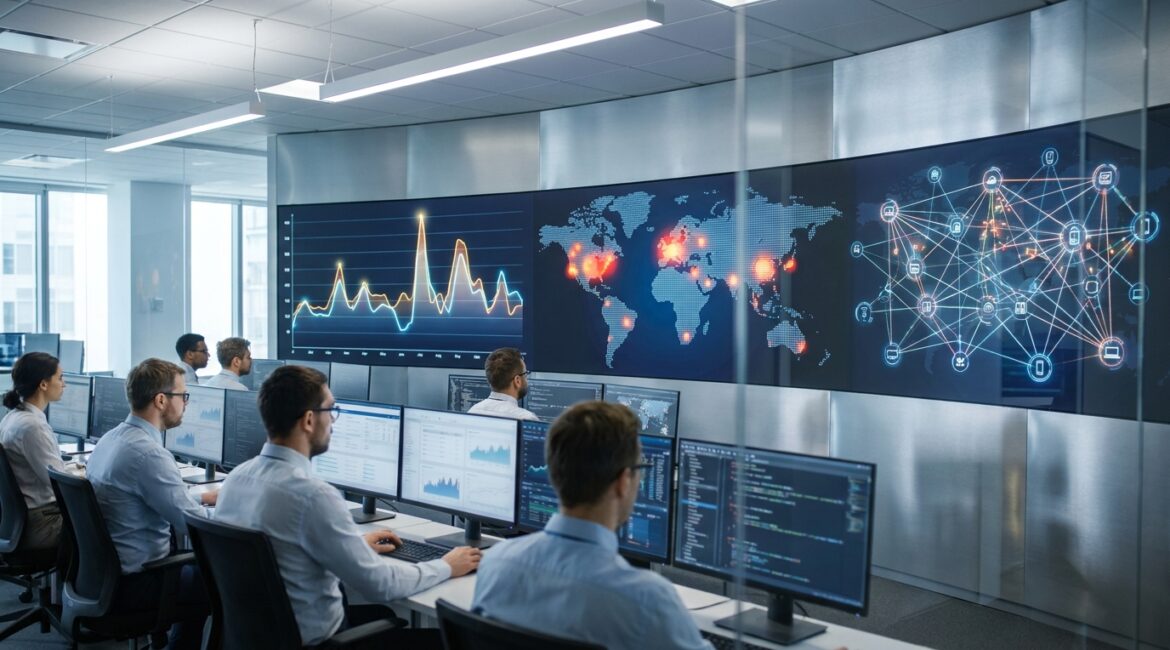
What is a managed firewall? A managed firewall is a firewall that is deployed, monitored, updated, and continuously tuned by a security provider on your behalf. It matters because modern threats and constant configuration changes make “set it and forget it” perimeter security unreliable for most organizations. With a managed...