


Zero Trust Security is a cybersecurity approach that assumes no user, device, or network segment is automatically trustworthy, even if it is inside your office network. Instead, every request to access data or systems is continuously verified, authorized, and monitored. Your business should use it if you rely on cloud...
How to Prevent Common Email Phishing Attempts and What Not Knowing Can Cost Your Business
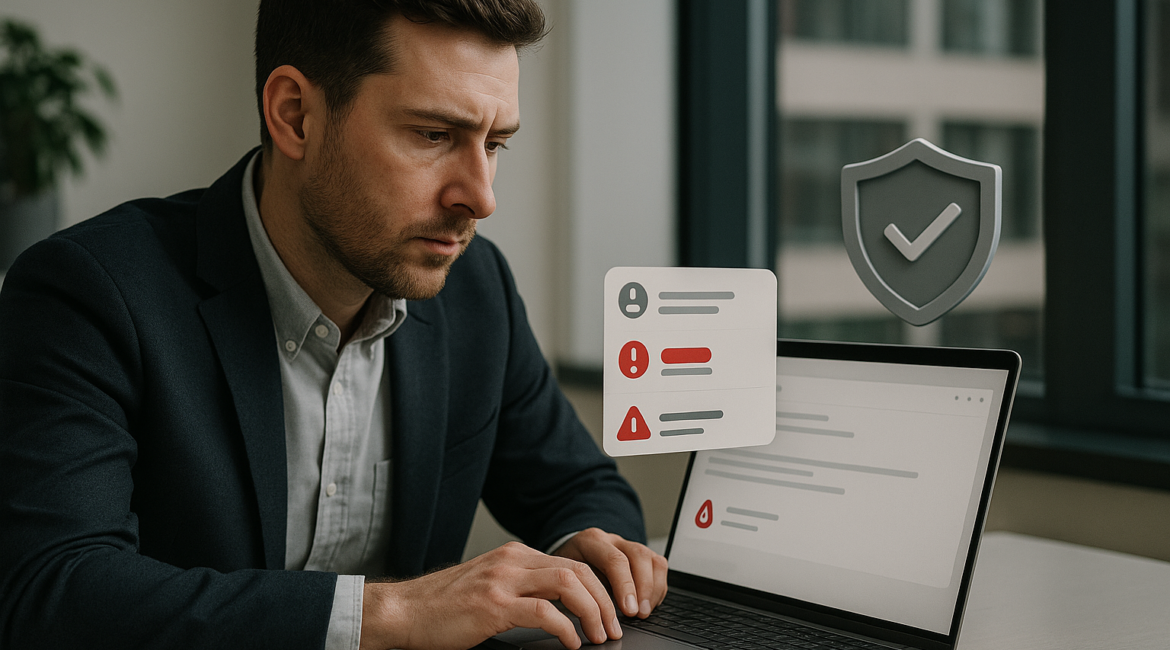
To prevent common email phishing attempts, combine employee habits with technical controls like MFA, email authentication (SPF, DKIM, DMARC), and clear reporting and response procedures. Not knowing how phishing works can damage your business through wire fraud, ransomware, customer data exposure, and operational downtime. The good news is that most...
Most Common Cybersecurity Gaps in Small Businesses and How to Close Them

The most common cybersecurity gaps in small businesses are basic controls that are missing, inconsistent, or unmanaged, such as weak identity protection, poor patching, and unreliable backups. These gaps persist because many teams lack dedicated security staff, rely heavily on cloud services, and prioritize day to day operations over risk...