


To reduce security risk when employees travel for business, standardize devices, require strong sign-ins, protect data in transit, and give employees a simple travel security plan before they leave.
How Should Businesses Protect Sensitive Data on Employee Laptops?
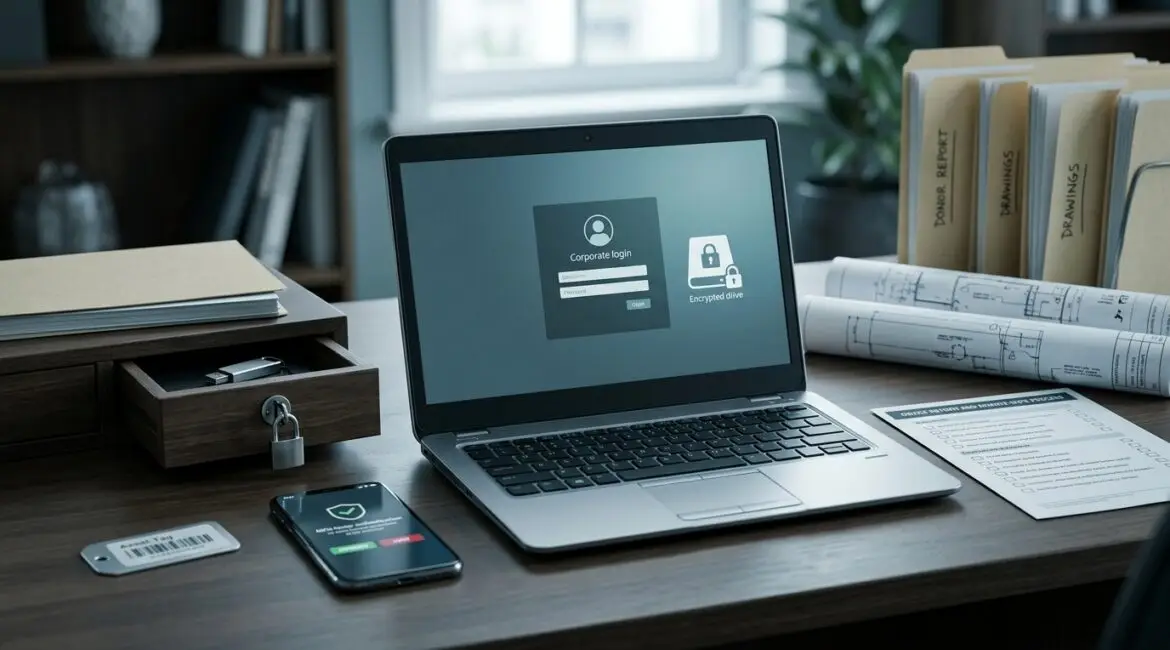
Businesses should protect sensitive data on employee laptops with encryption, strong access controls, device management, secure backups, and clear policies. The goal is to reduce risk without making daily work harder.
How to Build Better Technology Policies for Employees
Better technology policies give employees clear rules for using devices, accounts, data, and business apps without slowing down daily work. The best policies are practical, easy to follow, and tied to real business risks.